Let me share a story about the important role that background knowledge plays when asking students to make predictions.
One time in a land far away and long ago, I decided that I wanted to have a live trout in my preschool classroom for the students to observe and enjoy.
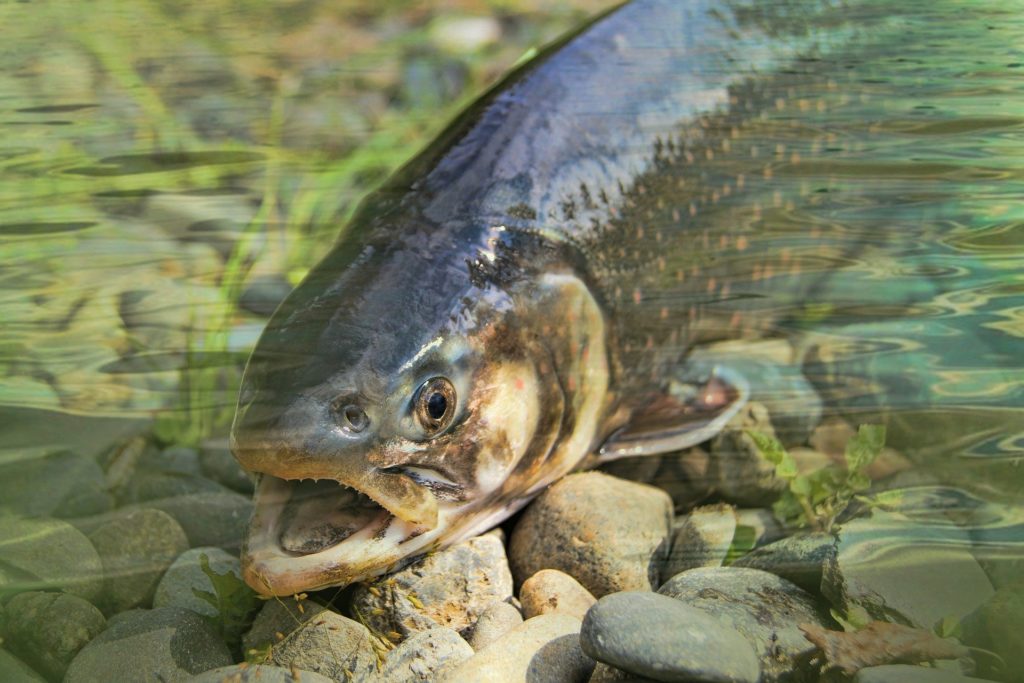
I went to a local trout farm to purchase one single fish, which was a quantity they were not used to selling. When I passed the man a 20 dollar bill it felt like I was making a strange illegal transaction! I was so excited to have a new class pet that my happiness was not dampened by the fact that it was only 4 inches long. OBVIOUSLY a full-sized trout would not be able to live in our sensory table, only a silly person would think that!
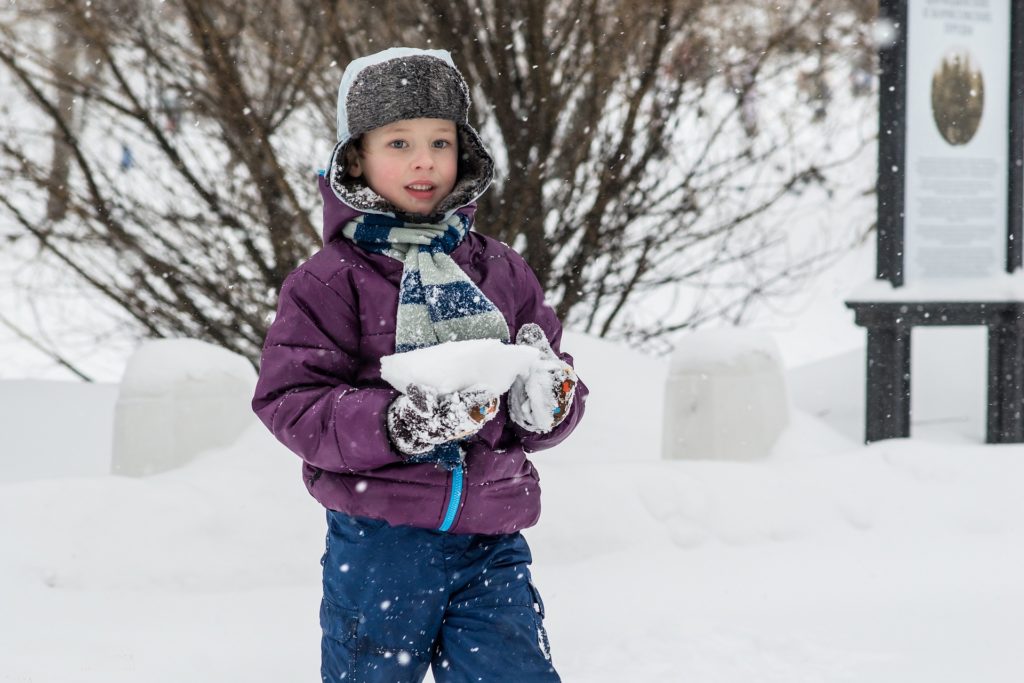
As I was leaving, the trout guy mentioned that my new fish was going to need his water to be pretty cold in order to survive. Hmmm, good thing there was so much snow on the ground! I figured that every day we could add some snow to the tank in order to keep Chez Trout at the perfect temp.
A Trout in the Classroom
My students absolutely adored Smell (of course they decided to name him Smell!) and things were going along swimmingly for about a month. They would feed him each morning, and load snow into his tank each evening, and spent a lot of class time just watching him swim around and do fishy things. But then…disaster struck! We had a huge snow storm and we were out of school for a few days. Poor Smell got too hot and he died.
The kids were less upset than I thought they might be. When I suggested that we see what was inside of Smell, they were on board. (It helped that we had recently read the children’s book Arlene the Sardine, where the main character died halfway through…)

What’s Inside?!
Before we performed the fish autopsy, we made some predictions about what we might find inside. Some of the responses included: blood, food, and poop. But can you guess what by far was the most popular response? SNOW! Of course! Every afternoon we put snow in his tank, and every morning it was gone.
Spoiler alert: there was not snow inside.
Ignoring my lack of planning skills, unintended animal cruelty, and possibly developmentally inappropriate dissection lesson, I learned something very valuable that day about working with children to make predictions. If you don’t have enough background knowledge about a topic, you are really just making a WILD GUESS!
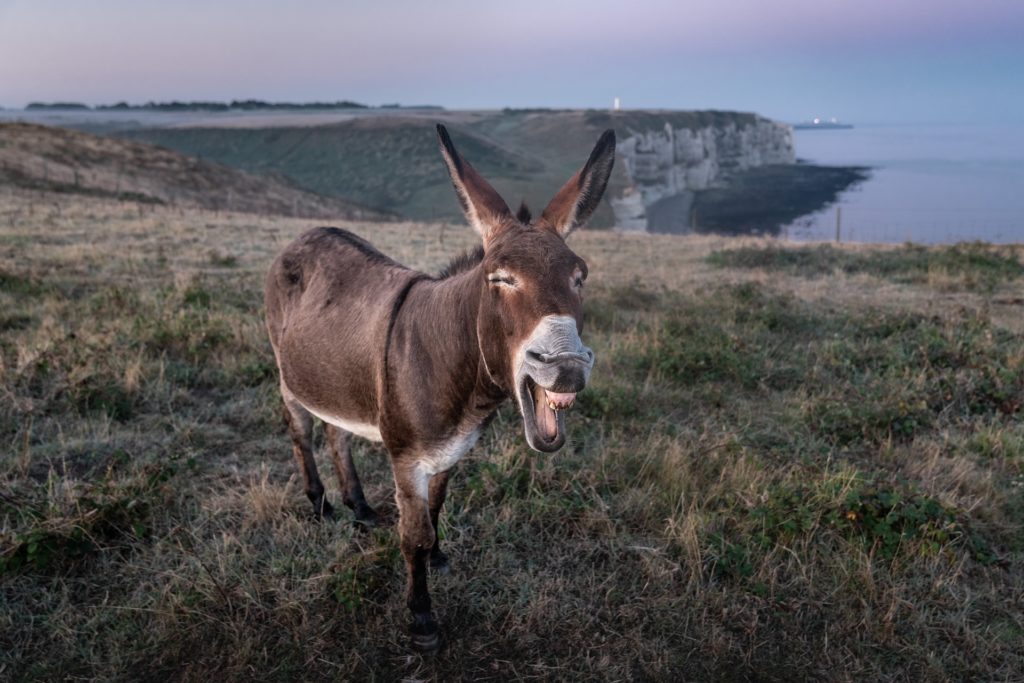
Guesses are okay; we have to make them all of the time, but I think it is important to differentiate between WILD GUESSES and PREDICTIONS. Predictions are based on gathering evidence, noticing patterns and connecting what might happen in the future with the background knowledge that we gathered in the past.
Making Better Predictions
Here are a few ideas to increase the quality of your class’s predictions.
Observe: Spend enough time making observations in order to gather sufficient data. Observing is always the first step in the process of science. If you haven’t looked at something closely or gathered information over time, your background knowledge will not be enough to make a quality prediction.
Compare: Think about where you have seen something like this before. How is it the same and how is it different? If my students had learned about what parts are inside of other animals, they might have had guesses like ‘heart’ or ‘intestines’.
Ask for evidence: If a student does make a prediction, help them get into the habit of providing evidence. “What did you observe that makes you say that?” “What connection to something you already know gave you that idea? “
Analyze the Question: As an educator, you have to ask yourself if you are asking for a wild guess or a prediction. I saw a session once where the presenter was encouraging teachers to show their class one of those toys that grows in water and ask them to predict how big it would be the next day. The truth is, if they had never done that experiment before or if they had no experience with that material, they would just be guessing. Guessing is okay! Just realize when you are asking for a guess, and call it out.
Live and Learn
In the long run, my students really were making observations and providing evidence. From their background knowledge, snow was actually a very reasonable guess. The fault lies firmly with me for not thinking the whole thing through well enough! But live and learn, right? I hope that you can learn from my mistakes and support your students in making better predictions!
0 Comments